Wednesday, November 29, 2006

Flowers from Monet's Fresh Flowers


Sharon Norman, of Monet's fresh flowers created these wonderful table settings for the Bayside Women in Business Luncheon, November 28th, 2006 using gerberas from Gough Hill Farm.
For more information on Monet's
Sunday, November 26, 2006

Storm damage

A nasty storm blew through the area - and for the first time damage was done to the hothouse. The plastic skin on hothouse #1 was torn, ripping a great gaping hole. We've put a blue tarpaulin on top while we work out what to do. It will cost abut $2000 to repair. Time for some thoughts and future planning.

The flowers are taller

With the warmer weather, the problems with the water, EC level and nutrients fixed the flowers are really doing well. The stems are so tall, and the flowers are so spectacular. We've had specials for our florists, so all have been sold.

Friday, November 17, 2006

Frog in a Gerbera


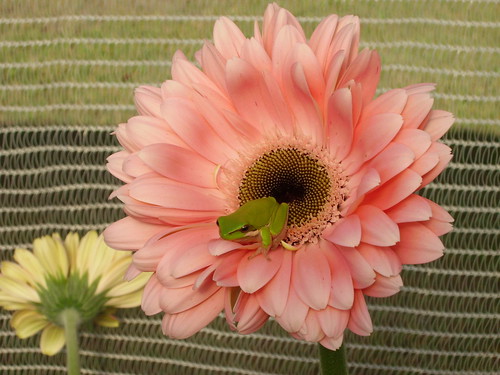
I'm sure there must be a family of green frogs - but I only ever see one at a time, and always a baby one. Surely he/she must have family or friends around? On this occasion the frog was "sunning" itself in the flower. Relaxed, happy. I had time to go to my car and get my camera and take the photo.

Monday, November 13, 2006

The flowers are blooming again!

Well, after the flushing through of fresh water the EC level of the run off water has reduced and the plants have flourished. We are picking massive quantities of flowers and the quality is excellent. Quite a change.

We are still having a little problem with mothers, and the Rutherglen bug hasn't completely gone, but there is a noticeable reduction in both.

My little green frog came out this morning. I'm sure there is more than one, but I only ever see one, and I "assume" that it is my one friendly frog who suns himself on one of the pink flowers.

Saturday, November 11, 2006

Dramatic Improvement

The improvement was almost immediate. Within a couple of days the plants looked healthier. Those that had a yellow tinge around their leaves took on a healthy green look, and the flower stems steadily grew taller. The quality of the flowers improved.

Now, less than two weeks since we found the cause of the problem, the flowers are spectacular. Indeed we had the best pick today – better than we have had for months, and the flower quality was excellent.

Even my resident frog must have been happy, as the little green fellow greeted me from one of the pale pink flowers.

Poor quality flowers in October

October was a poor month for the gerbera farm. Despite the warm weather, the flowers weren’t at their best. The stems were short, and a lot of the flowers were distorted. Our figures for 2005 showed the same downturn in October last year, so was it just a seasonal thing?

In any case we had the usual spring problems with bugs. Butterflies or moths got in, laid their eggs and produced a whole lot of grubs that ate their way into the leaves and flowers. They seemed to resist the constant spraying. Then the Rutherglen bugs came. The infestation of the latter was amazing. They were thick up the walls of the hot house, in the flowers and flew into our faces as we picked. We just couldn’t seem to get on top of them.

But why were the flowers less than perfect and the stems short? So we brought in our Horticultural Expert who initially couldn’t find the problem.

We now know. Because we are in the worst drought for somewhere between 100 and 1000 years (depending on which expert you read), we have tried to reduce our use of water. We had been told that we needed 30% run off, so that 70% of the water and nutrient remained in the pot, and the remainder was flushed away. Because of the drought, we felt that runoff was a waste and reduced the water. What we had indeed done was not allowed the chemicals/salts to be flushed from the plants and they collected around the roots of the plants choking them.

The solution? Use our precious water to flush out each plant, to dilute the salts. It was along and painstaking task, but the results were pretty dramatic.
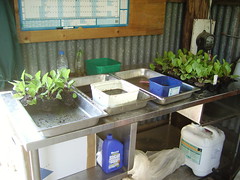
Almost overnight the quality of the flowers and plants improved dramatically.

Tuesday, September 26, 2006

Planting new "babies"

When it is time to plant we like to have as much help as possible. We have to have delivered some new medium - at the moment we are using a type of bark mixture, and it will arrive about the same time as the plants. As most of the propogators are local - in Brisbane - we usually collect our plants, which come in trays, each plant in a little jiffy pot.

We fill each pot with the bark mixture and place them in their rows in the hot house. Then the drippers are placed in each pot - loosely at this time.

Then we prepare some trays and dishes. Each new plant is dipped in diazanon (we wear stong gloves to do this) and then in a Nutritech mixture, and then they sit in a tray until ready to put in the pots in the hot house.

We can do several hundred in an hour, or less if there are more than two of us working on it at the time.

festival plus 010

Spring flush

In spring the flowers really take off and for a few weeks we almost struggle to keep up. There are plenty of blooms to pick, and of course it is a busy time in the florist shop so they usually purchase all our crop. It is also about this time that we prepare to sew more plants - as the propogators release their stocks.

We have ordered months before hand so we know what we have to do. Old plants are discarded - sold if we can manage it - and we prepare for the new plants.

Friday, September 15, 2006

Another odd flower

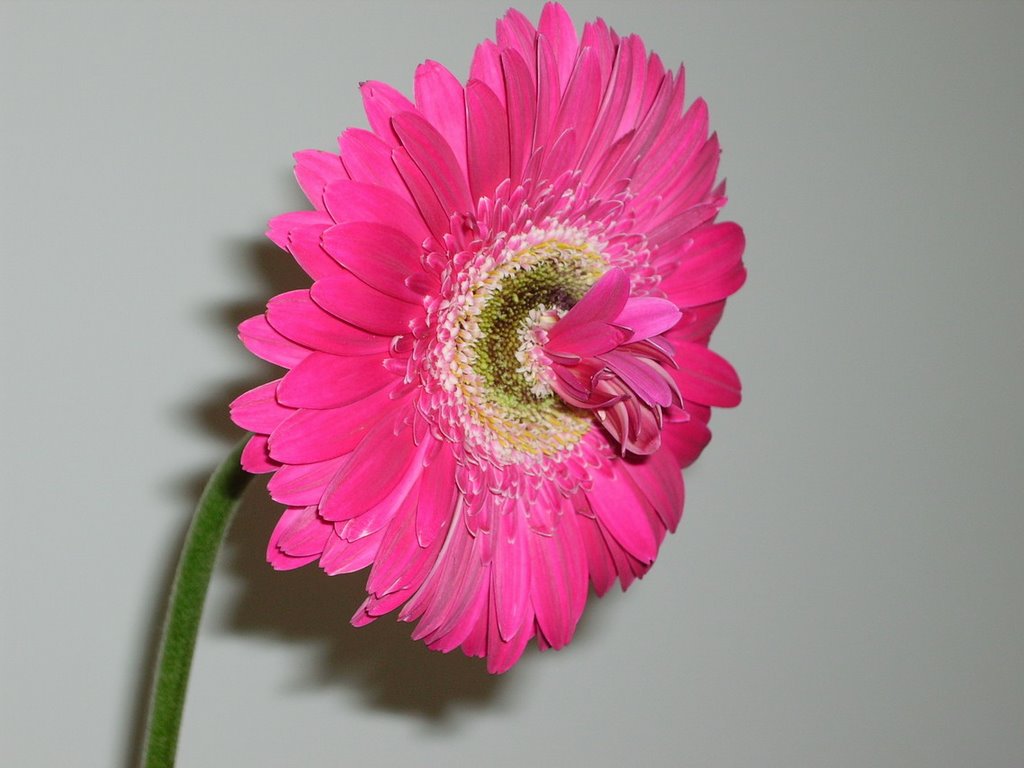
Every now and then a strange flower will appear. This one has pink petals being pushe dot from the centre of the flower. It is a pretty flower and a very popular colour with the florists. I like working with ood flowers as they make a talking point in an arrangement.

Long lasting


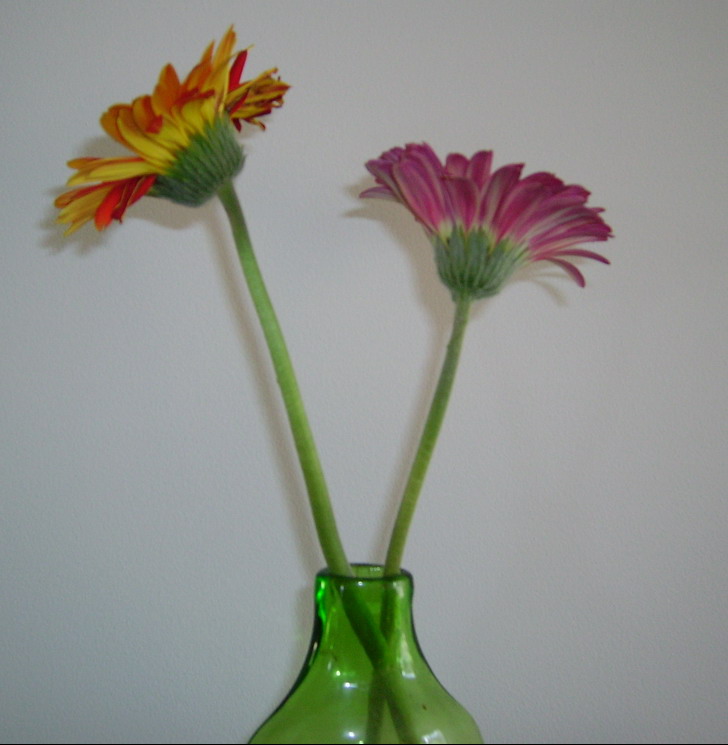
I checked and these flowers, although looking a little worse for wear have been in their vase for over two weeks now. They are on their "last legs" but it indicates how long they can last if kept properly. They do like dark glass vases (green bottle on this occasion) and regular fresh water. Now I haven't changed the water at all in two weeks and they have lasted. What if I had changed the water?............

Sunday, September 03, 2006

Spring blooms


We are a few days into spring and although the weather has been inclement (overcast and rain) the flowers are blooming. We are headed for the "spring flush" - a time when the flowers bloom at a fast rate. Which is good, as people like to brighten their homes in spring and generally the sales of flowers increase. It is a good time for us.

Wednesday, August 23, 2006

Odd bud


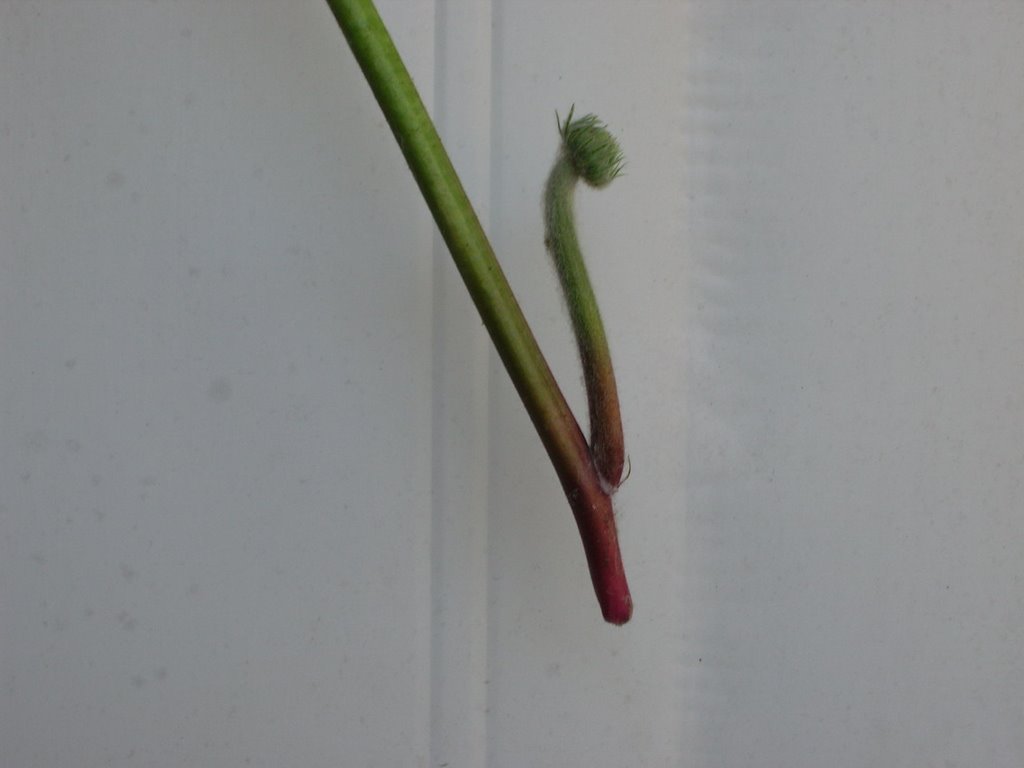
Some times nature throws up some oddities, and this is one. For some unknown reason a new flower is growing from just above the base of another flower. It just might have matured, if left alone, but the main flower was "ripe" so was picked. The oddity was cut away and discarded.

Sunday, July 16, 2006

Care of Cut flowers


We are regularly asked about the care of Gerberas as cut flowers. We know ours last a long time - but that is because they are freshly picked. Our florists get them often within hours of picking - whcih doesn't happen if they purchase from flower markets.

They love fresh water, and not much of it. You can see in this vase the water is only about 2 inches deep. There is no need to wire the flowers - just change the water every other day, clip 1/2 inche from the end of each stem, and put them in fresh water. Generally we are told that they prefer a dark vase - not a glass one as shown in this picture, but we use both. Some of the best shapes of vases are in clear glass these days. Make sure the vase is very clean when you first put the flowers in, and if any flower wilts, you can cut it off at the stem and put it in a shorter vase or float it. A drop of bleach might help too - as it is the bacteria that build up in the water and prevent the stem "sucking up the water" that is the problem.

Half flower


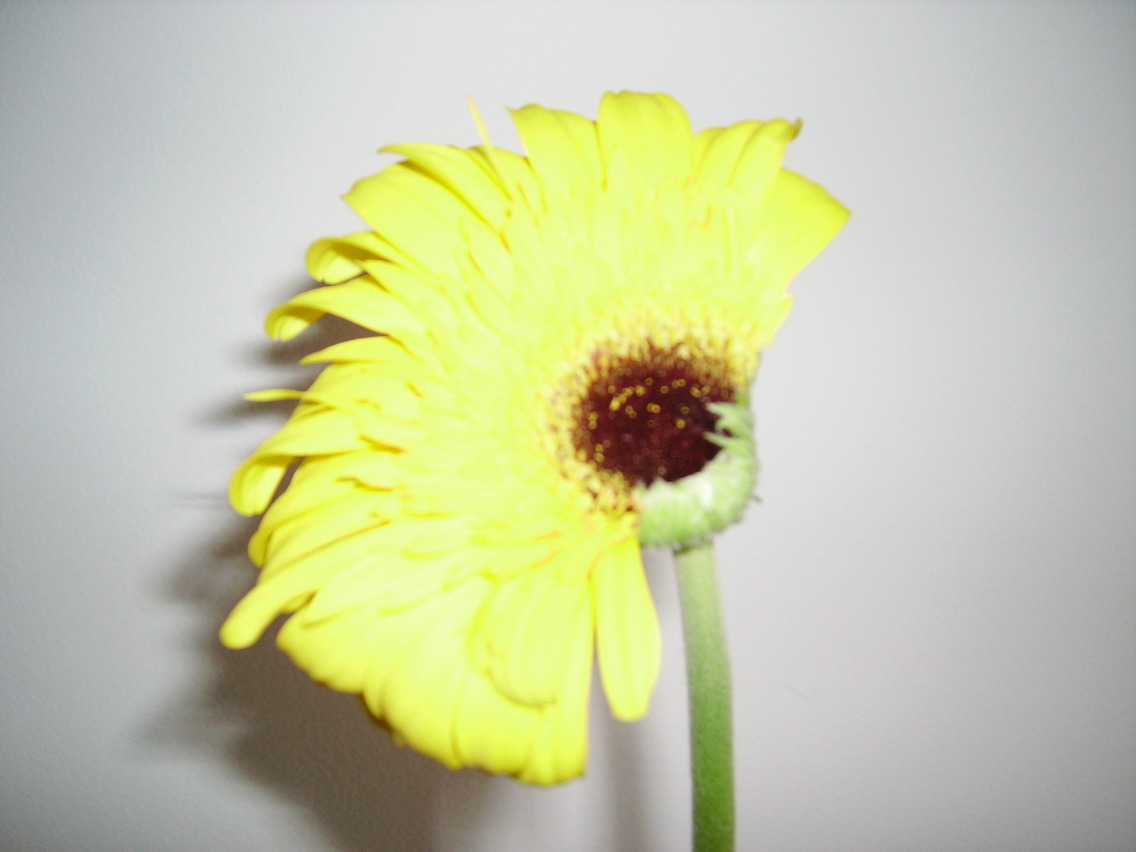
Sometimes there is damage done to the flower as it erupts from the crown. This flower, as you can see, has only developed on one side. Some petals have not materialised at all. It might be simply that when another flower was plucked from the plant it slightly disturbed the stem of this one, resulting in one half of the stem and flower not receiving the water and nutrient. Perhaps a bug has chewed at the base of the plant. Maybe there is no good reason. The flower is useless and ends up in our little pile of "seconds."

Friday, July 14, 2006

Hothouse


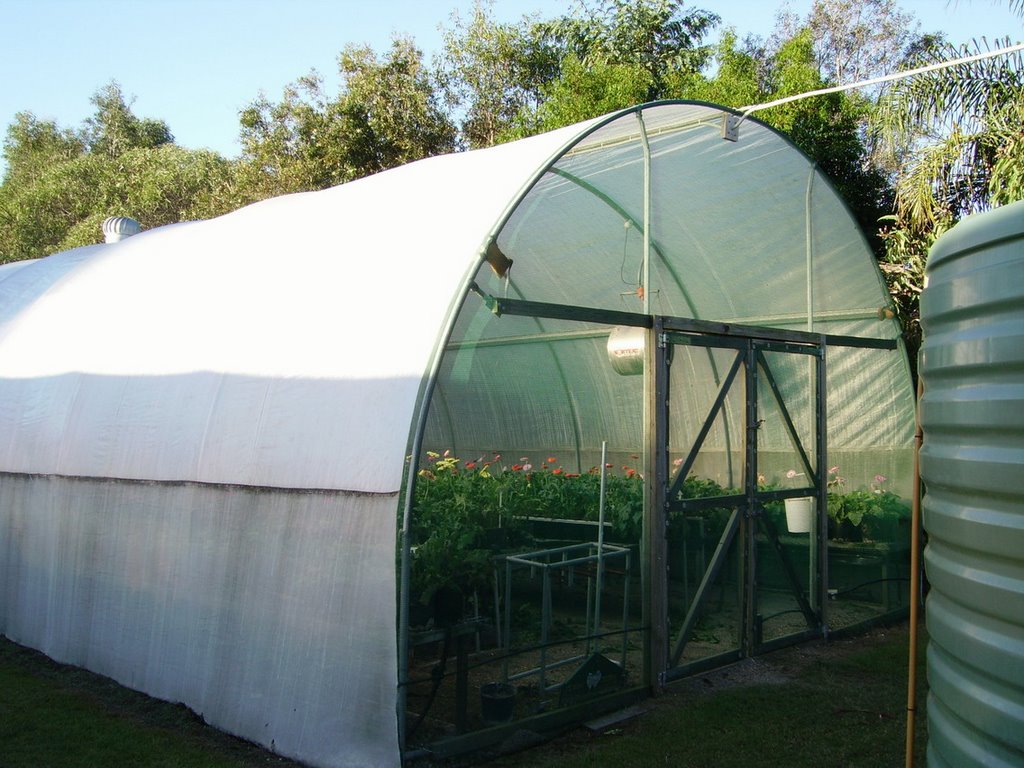
Our "hothouses" are two domes - with metal frames, covered in heavy plastic. Each end is enclosed with an open weave fabric. The plants grow on shelves each with their own irrigation spike that delivers measured amounts of water and nutrient and water at specific times. We can calculate exactly how much each plant receives. Large growers have much more sophisticated hothouses - with computers which collect data and automatically change the atmosphere, or water and nutrient usage based on the data collecated. Ours, is a much more unsophisticated operation - we monitor things ourselves and manually make changes to things.

White Gerbera


This is one of our favourite white Gerberas - these are very popular for brides. It is a flower that lasts a long time too, and unlike some whites that we have grown stands up to quite rough handling - such as might occur in a bridal bouquet.

Sunday, June 25, 2006

Another of nature's mysteries.


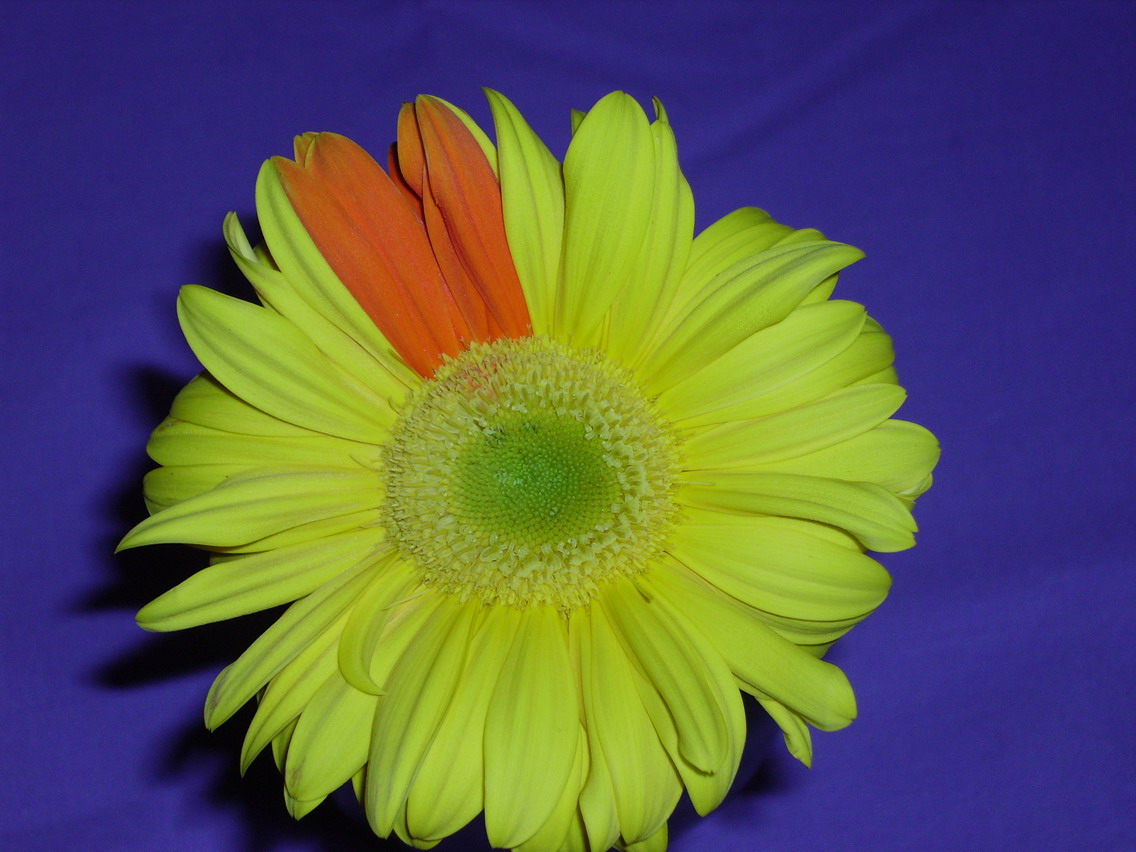
This is another example of the strange things that can happen. The flower is supposed to be a yellow one - but was cloned from an orange one. Every now and then a flower appears to remind us of the power of nature. This plant on which this particular flower was grown does this on a regular basis.

Thursday, June 01, 2006

Gerbera Cups


There are several ways that growers prepare gerbera flowers for the market. Some growers use cardboard cards to transport their flowers. The flowers are placed in the specially made "cards". It does take time to prepare the flowers and there is of course a cost for the cards. At Gough Hill Farm we have chosen to use "gerbera cups" - specially made plastic cups protect the flower in transit. Each flower is placed stem first into the cup, and the stem pulled through so that the cup sits around the flower. There is a machine that does the work, but our farm is not big enough to make that a viable option. All flowers are "cupped" by hand. The cups cost around 3 cents each. We prefer to use this method as despite the fact that it is hand done, we can do it very quickly now and it does certainly protect the flower during deliver.

An unusual flower


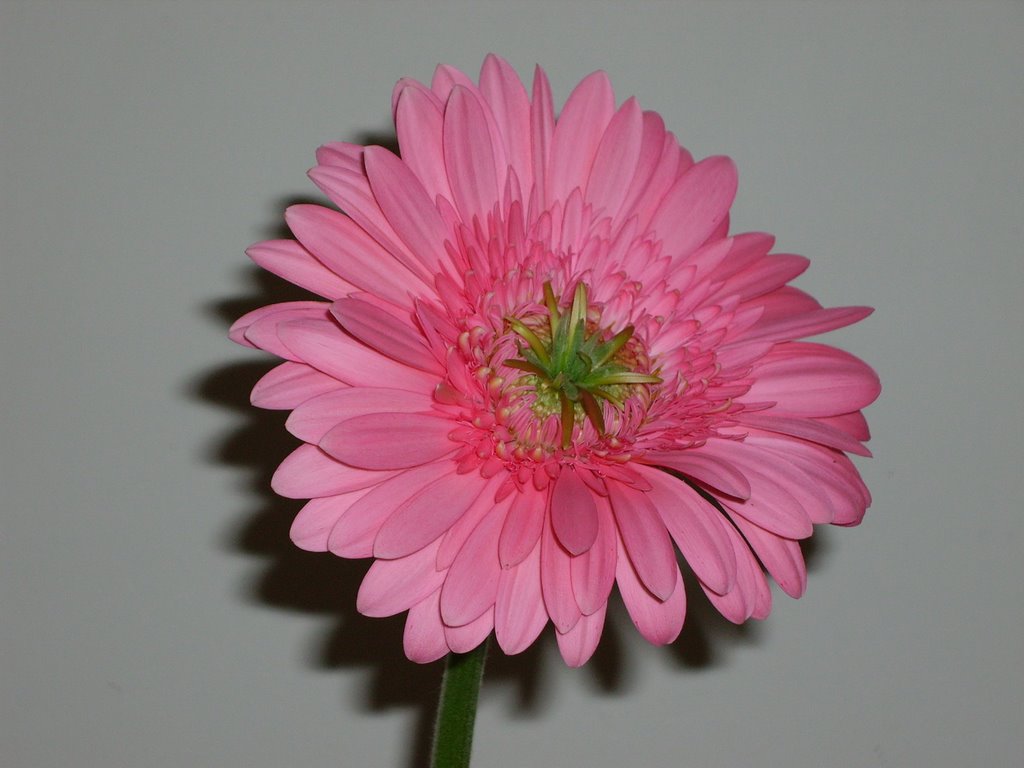
We have some strange flowers some times. This flower did not make it to the florists - leaves have chosen to grow out of the centre of the flowers. Sometimes they are small enough to "pinch out" and no one would know the difference. I like taking soem of our strange ones home.